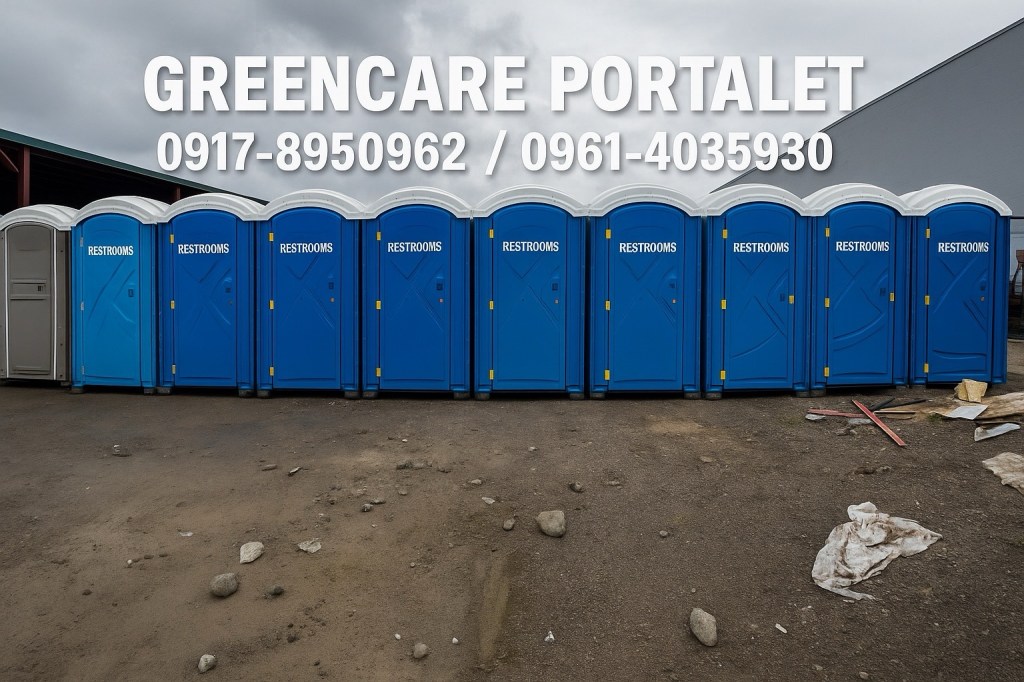
How a Portable Toilet Works: The Science Behind Sanitation on the Go
Portable toilets, often called portalets or porta potties, are essential for outdoor events, construction sites, and places without permanent restroom facilities. Many people see them as simple plastic cabins, but inside, they’re actually carefully designed systems that balance hygiene, convenience, and efficiency.
In this article, we’ll break down how a portable toilet works—from the moment you open the door to how waste is safely processed.
1. The Structure and Design
A standard portable toilet is built with durable, lightweight plastic panels (usually HDPE). The design makes it easy to transport, stack, and set up anywhere. Most units include:
A toilet seat A holding tank (for waste) A small clean water or chemical tank (for flushing or handwashing) Ventilation pipes to reduce odor Accessories like a tissue holder, urinal, and sometimes even a small sink
2. The Holding Tank: The Heart of the System
Instead of connecting to a sewer line, portable toilets use a sealed holding tank (commonly 150–250 liters). This tank contains:
Deodorizing chemicals: These are blue liquids that mask odor, kill germs, and break down waste. Waste storage: All human waste is collected here until the unit is serviced.
Fun fact: the blue chemical turns green or black as it neutralizes waste, helping operators know when it’s time for cleaning.
3. Odor Control and Ventilation
One of the biggest challenges of portable toilets is odor management. Manufacturers solve this with:
Special chemicals that suppress smells. Vent pipes that allow gasses to escape above the unit, not inside. Tight-sealing doors to keep the inside environment comfortable.
4. How Cleaning and Servicing Works
Portable toilets need regular servicing, usually weekly (more often for high-traffic events). The process includes:
Vacuum pumping: Trucks with suction hoses empty the waste holding tank. Tank washing: The inside is pressure-washed with water and disinfectant. Chemical refill: Fresh deodorizing solution is added. Restocking: Toilet paper, sanitizer, and water are replenished.
This keeps the unit sanitary and ready for continuous use.
5. Modern Innovations
Today’s portable toilets are more advanced than ever. Some models feature:
Flush systems (foot pump or hand pump). Handwashing sinks or external hand sanitizers. Luxury trailers with lighting, mirrors, and air-conditioning. Eco-friendly chemicals that are biodegradable.
6. Why Portable Toilets Are Important
Portable toilets may seem simple, but they play a big role in:
Public health: Preventing open defecation and contamination. Convenience: Providing comfort where permanent restrooms aren’t available. Environment: Ensuring waste is collected, transported, and treated safely.
From construction projects to concerts, marathons to disaster relief zones, portable toilets are an unsung hero of modern sanitation.
✅ Final Word: The next time you see a Greencare Portalet at an event or job site, you’ll know it’s more than just a plastic cabin—it’s a mini sanitation system that keeps everything clean, safe, and convenient.
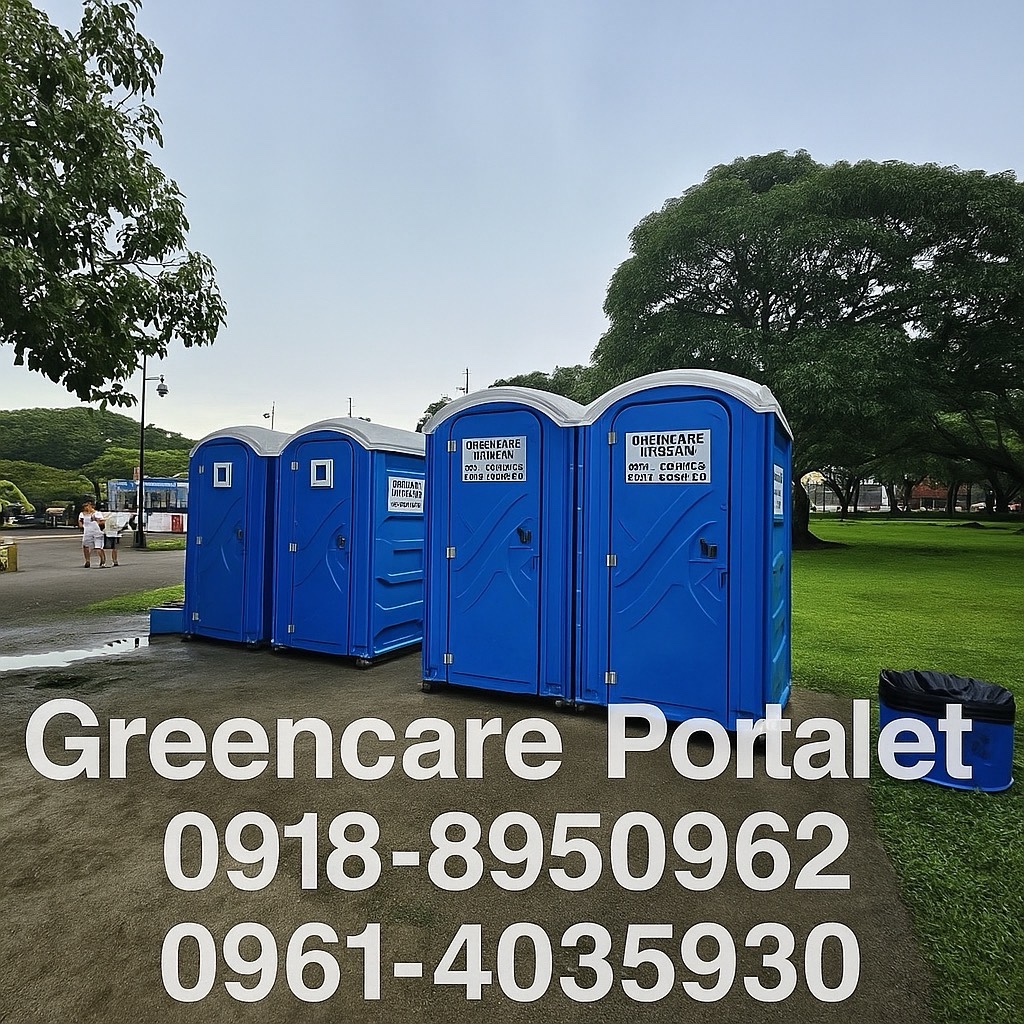
 Greencare Portalet #1 Portable toilet supplier